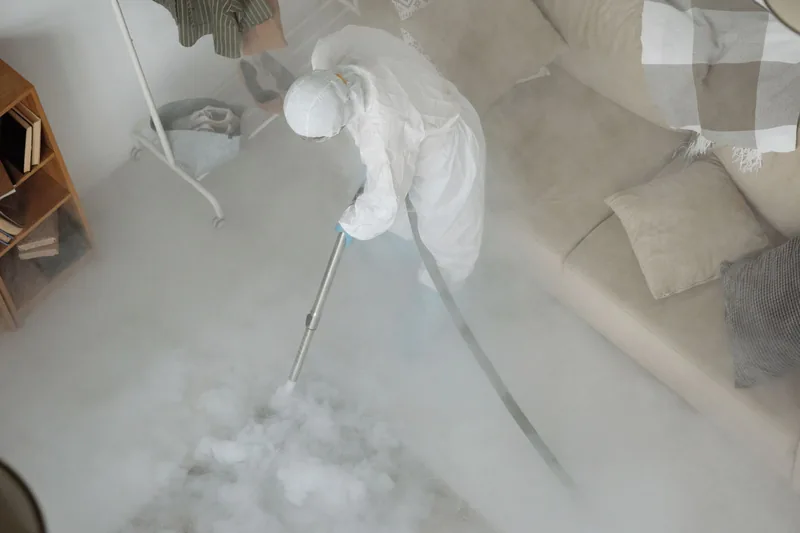
Biohazard Decontamination
Rooms, surfaces and air receive complete decontamination following infectious or hazardous exposure.
See biohazard decontaminationGet suspected fentanyl powder and residue assessed and cleaned from a home, rental, business or vehicle in Goodwood Place. The cleanup can include containment, material removal, controlled disposal and verification.
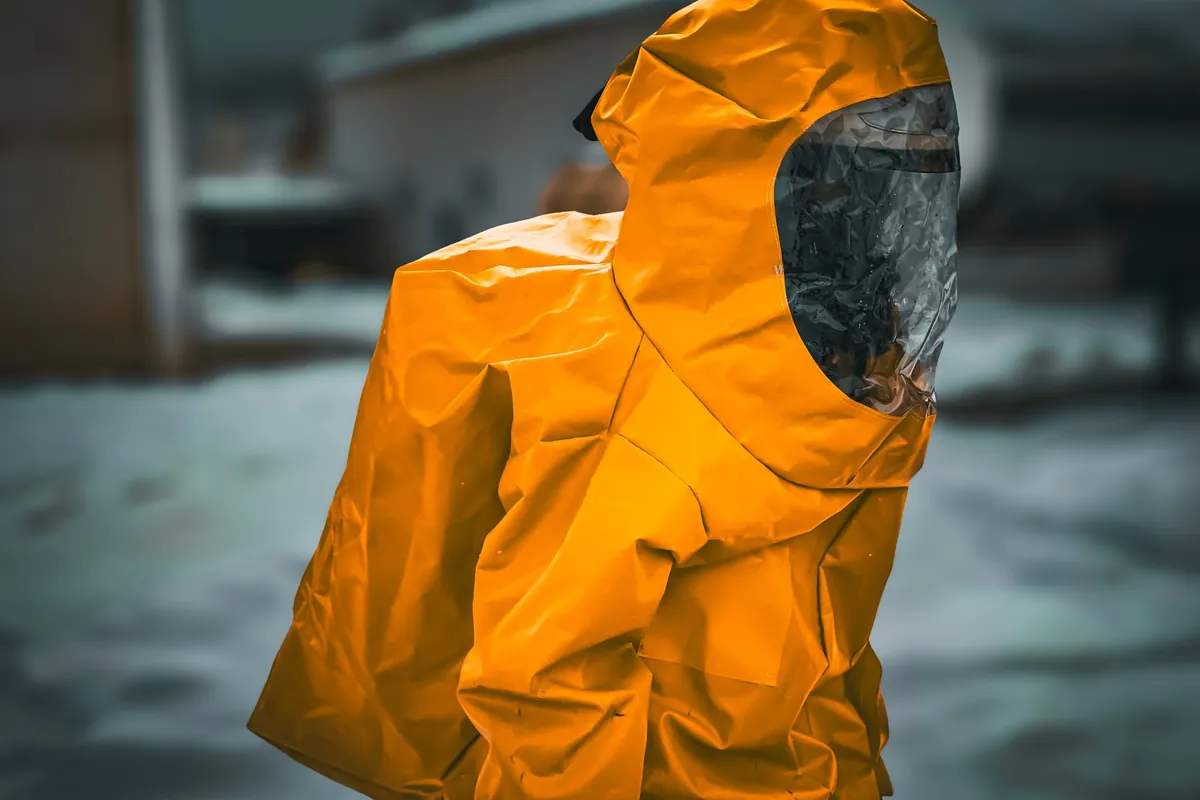
Fentanyl decontamination means cleaning suspected fentanyl residue and powder under controlled conditions. It covers building surfaces, belongings, rooms and vehicles so the contaminated space can undergo a safe-use evaluation.
Fentanyl is a powerful synthetic opioid, which makes this unlike routine cleaning. Sweeping, blowing or vacuuming its powder can transfer it onto surrounding surfaces, as can tracking it with footwear. In a professional process, movement is restricted, contaminated material is located and protective equipment is matched to the circumstances.
Work can cover assessment of residue, containment and controlled collection of loose substances. It may also involve cleaning surfaces, taking out anything that cannot be cleaned, disposing of waste and verifying the result. Unknown powder, needles, bodily fluids and drug paraphernalia present additional, separate hazards. All are evaluated ahead of cleaning.
Calls are answered day and night, and crews arrive in unmarked vehicles to protect your privacy at a home, rental, business or vehicle.
You hear what areas are included, what testing is proposed and what could change the cost before deciding how to move forward.
Assessment considers each item's material and exposure. Items are listed and discussed with you before removal whenever conditions allow.
Photos, scope notes, testing documents and waste records can support property files and conversations with insurance companies.
A property or vehicle can require fentanyl cleanup when possible residue, powder or items associated with drug use have been left there. Situations commonly include:
After emergency response, bodily fluids, loose powder or used supplies may remain and create multiple contamination hazards.
Law enforcement has released the property, but suspected drug residue and items left behind still need controlled cleanup.
When property owners find drug paraphernalia, powder or packaging, they need affected areas assessed before the next occupancy.
The substance is not confirmed, so the area is treated cautiously while testing, sharps and hazardous waste needs are considered.
Start by preventing contact and movement. If anyone is unconscious, breathing slowly or showing signs of possible opioid overdose, call 911 and use naloxone if it is available and you know how to use it.
Call (888) 440-9227One published biohazard pricing guide lists a per-job fentanyl cleanup range of $3,000 to $20,000 while another gives $5,000 to $30,000 for each job. These general guide ranges do not represent a site-specific price. The final scope reflects the quantity and reach of residue, testing needs, protective gear, disposal and any materials requiring removal.
Published national cost guides are the source for these ranges, rather than an inspection of your property. The price for your property is set after the on-site assessment, and you hear it before work starts.
Ask about cost: (888) 440-9227Insurance coverage for fentanyl cleanup varies by policy, cause of loss and property type. Ask the insurance company before work begins when there is no immediate safety emergency, and do not assume drug residue is covered.
Contamination, unlawful activity or damage by tenants may be excluded under a policy. Give the facts, request a decision about coverage and save your claim number.
Save waste documents, an item list, testing records, the cleanup scope, safely taken photos and the incident report to support insurance assistance or property records.
An owner might arrange cleanup related to tenant conduct before addressing who pays through legal action, insurance or lease terms. The facts determine who is responsible.
Homeowners or renters insurance, the estate or the property owner usually pays for this kind of cleanup. The Louisiana crime victim compensation program helps only when a crime caused the loss.
Assessment, containment, cleaning, disposal and verification form the stages of fentanyl remediation. Which methods are used depends on the material and its quantity, the affected surfaces, and whether contamination remained in a single place or moved beyond it.
Technicians examine what was found, any police information and the rooms, vehicle zones or belongings that may be affected.
Samples may be carefully collected and submitted for appropriate analysis when identity or contamination boundaries are uncertain.
Technicians limit access, evaluate air movement and choose respiratory protection, clothing and gloves suited to the recorded conditions.
Technicians collect loose material without ordinary vacuuming or dry sweeping, lowering the chance of particles reaching surrounding areas.
A suitable opioid residue method and cleaning product are applied to hard surfaces based on each material's needs and product directions.
Before removal from the workspace, damaged or porous belongings that cannot be sufficiently cleaned are listed, isolated and packaged.
Recovered powder, removed items and used protective equipment are packaged, then routed according to their waste classification.
The finished cleaning scope receives an inspection, and the property decision or cleanup plan may call for later sampling.

Phone any hour. Your fentanyl decontamination specialist answers the phone, describes what happens next and works with you on a start time.
Treat suspected fentanyl residue cautiously. Powder can cause serious harm through inhalation or contact with the nose, eyes or mouth, particularly if you do not know what the substance is or how much is present.
Dry brooms, ordinary vacuums, compressed air and footwear can move fine particles from the source onto nearby belongings, rooms or vehicle surfaces.
Blood can contain bloodborne pathogens, while needles pose a puncture risk. Proper containers, protective gear and disposal methods are needed to manage these risks.
A visible powder may contain fentanyl, another drug or a mixture. Visual inspection cannot determine the contents, so the situation may call for testing and careful evaluation.
Can you clean it yourself? Never treat unidentified powder as an ordinary spill in your home. An overdose is unlikely from brief fentanyl contact with skin by itself. Still, move away, do not touch your face and wash the exposed area with soap and water. Dial 911 if someone is unresponsive, extremely sleepy or having trouble breathing.
Hard, accessible surfaces may be cleaned, while porous items with residue deep inside may need removal. Material condition and verification needs guide each decision.
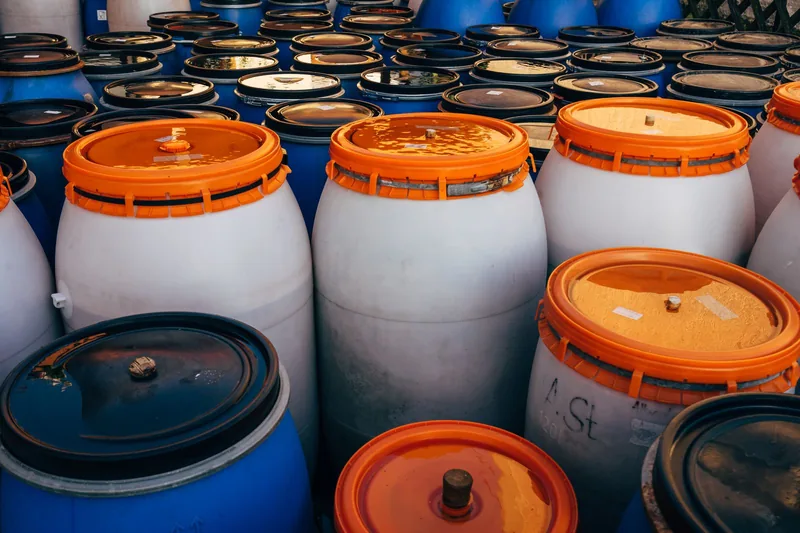
Waste from chemical cleaning, contaminated materials, drug residue and sharps may require different classifications. Packaging, transportation and disposal requirements depend on classification.
An employer must evaluate jobsite risks and choose protective equipment suited to them. OSHA Bloodborne Pathogens Standard 29 CFR 1910.1030 might also govern when the site contains blood or used needles.
Louisiana treats soaked materials from a biohazard scene as potentially infectious biomedical waste. Louisiana Department of Health sanitary code rules control how it is packaged, stored and transported, so it cannot go in household trash.
Local health and building rules can affect how a contaminated room is cleaned and when it can be used again, so mention any notice you have received from the city or county.
A small, contained fentanyl cleanup may take one workday, while several affected rooms, a vehicle interior, laboratory testing or material removal can extend the work across several days. The assessment sets a more useful timeline.
The full fentanyl decontamination guide covers what is cleaned or removed, odor and air quality work, and the rules that apply in Louisiana and East Baton Rouge Parish.
Read the full fentanyl decontamination guideLocal housing, population and access details can shape containment, access and cleanup planning.
A listed distance of 0.6 miles to The General gives a practical medical reference when someone has contacted blood or waste.
The location sits near Goodwood Estates, Adelia at Old Goodwood, and Riverlon, making local landmarks helpful when a property entrance is hard to find.
The neighborhood setting makes privacy especially important when equipment must pass through sidewalks, lobbies, or other visible common areas.
Clear location details prevent confusion between neighboring communities when specialized cleaning is needed for a drug-related property concern.
Ask on the call about cleanup options for neighboring communities and ZIP codes.
Rooms, surfaces and air receive complete decontamination following infectious or hazardous exposure.
See biohazard decontamination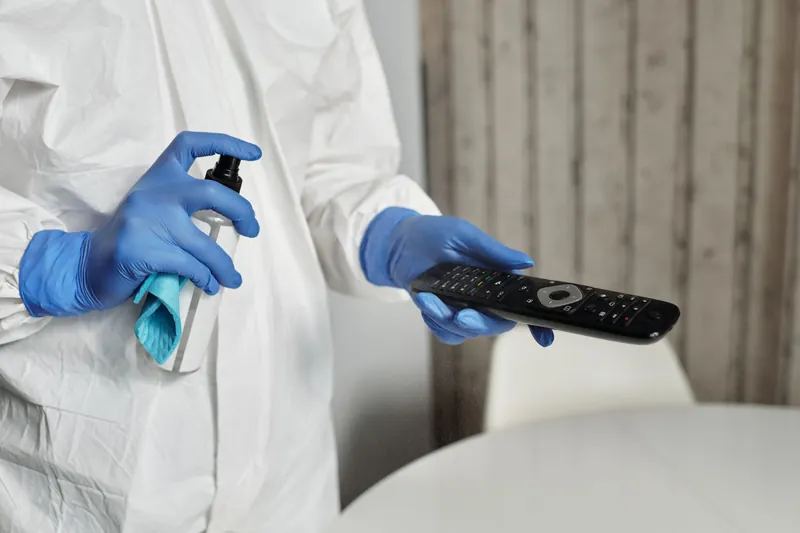
Biological remediation that removes contamination and returns a space to safe use.
See biohazard remediation
Rental spaces and properties are cleared of needles, pipes and residue from drugs.
See drug paraphernalia cleanup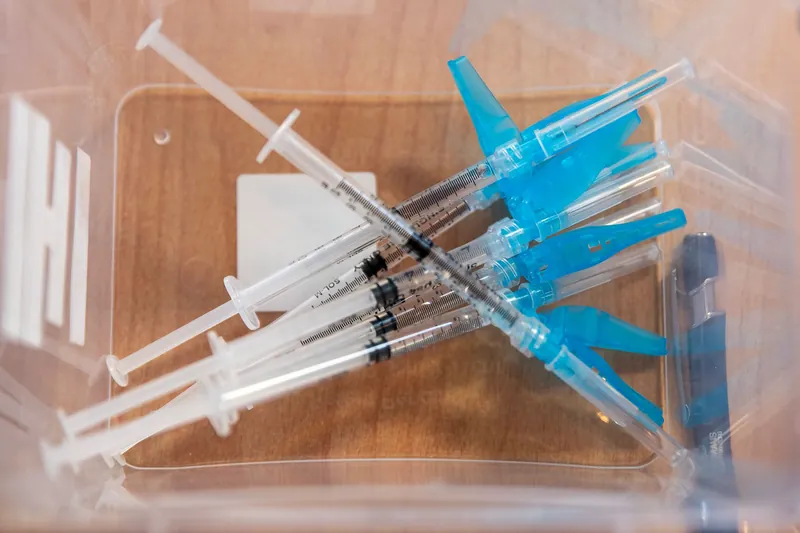
Yards, encampments, parks and rental properties receive needle and sharps cleanup.
See needle and sharps cleanup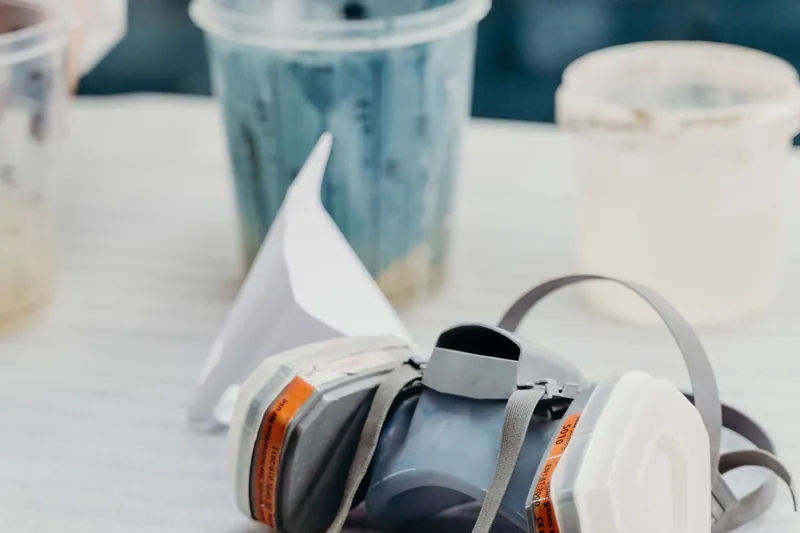
Cleanup of a meth lab covers residue testing and decontamination before the clearance process.
See meth lab cleanup
Protective equipment suited to hazardous materials is used during hazmat cleanup.
See hazmat cleanup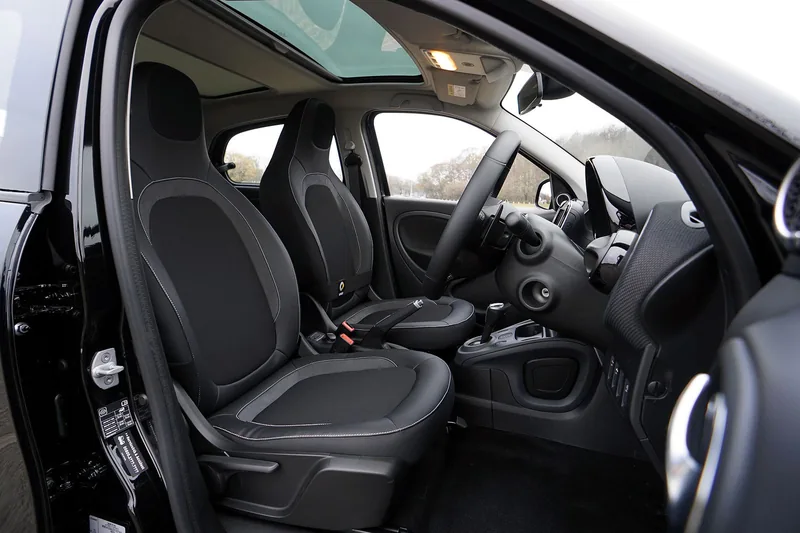
Vehicle biohazard cleanup for cars, trucks, boats and RVs.
See vehicle biohazard cleanup
Biohazard cleanup addresses Airbnb accommodations, hotels and other rental units.
See hotel, airbnb and rental biohazard cleanupDo not use elapsed time as proof that a surface is safe. The substance, amount, surface, moisture, temperature and earlier cleaning attempts all matter. Possible remaining residue calls for controlled access, with cleanup based on site assessment, a proper decontamination method and scoped verification.
According to published pricing guides for biohazard work, fentanyl cleanup spans $3,000 to $20,000 and $5,000 to $30,000 per job. Materials removed, protective gear, testing requirements, disposal and the affected area all shape the work scope. Only after the site is evaluated can those published ranges be related to your situation.
Brief skin contact is unlikely by itself to cause an overdose, but suspected residue still deserves caution. Keep your hands away from your face. Exit the space, then clean any exposed skin using water and soap. A person who is unresponsive, severely sleepy or breathing slowly needs an immediate 911 call.
An assessment identifies affected areas in the home before access to the workspace is limited. Technicians collect loose substances within controlled conditions. A suitable opioid contamination process is applied to surfaces that can be cleaned, and heavily impacted porous material might require removal. An inspection documents completion of the cleaning process, with follow-up samples added when needed.
Sometimes. Suspected residue may be found on seats, carpet, consoles, door panels, storage areas or items inside a car or truck. Cleaning fentanyl from vehicles requires attention to absorbent materials and small spaces. Keep the fan off if loose material might sit near ventilation openings.
Avoid mixing chemicals yourself when fentanyl is suspected. A product must be compatible with the surface, suitable for the identified contamination and used according to its directions. Your skin should never be treated with bleach or harsh chemicals. After skin exposure, exit the space and wash the affected area with water and soap.
Discreet, respectful fentanyl decontamination, 24 hours a day, with crews in unmarked vehicles.